
Today is one of my favorite holidays because it celebrates round, furry people who like to sleep and have the good sense to go back to bed when they wake up to find that it’s dark and cold. Talk about hitting the sleep switch!
 Groundhogs are remarkable creatures, though not much appreciated by most people. They are persistent, deliberate, adaptable, and not easily perturbed. I came to love groundhogs after discovering that we shared territory with one in our previous home. She lived under our woodpile, which was a bit of a mess; we vainly hoped she would straighten it up a bit, but apparently “woodchuck” is somewhat of a misnomer.*
Groundhogs are the bane of many gardeners because they are so cosmopolitan in their tastes: they will eat almost any sort of vegetation, and are particularly fond of garden vegetables, largely because of their moisture content. (Groundhogs are masters of energy economy; if they eat food with lots of water in it, they won’t have to walk all the way down to the creek to drink.) **
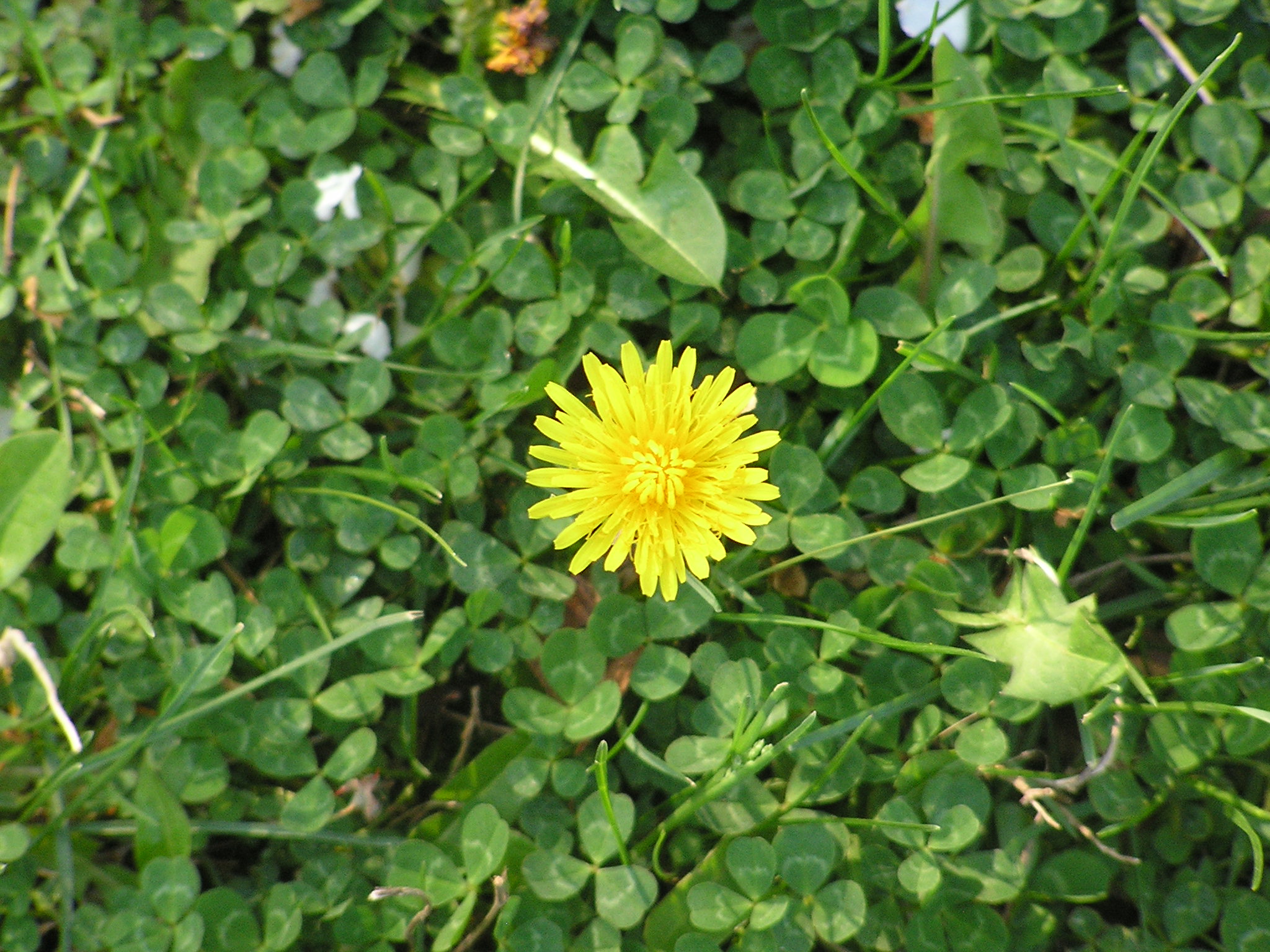
I discovered that the secret to living with our groundhog was to make sure she had what she needed. One early summer day, I watched her amble across the yard from the wood pile toward the garden, which was on the other side of the house. We have always had what we call a “freedom lawn” (which means we don’t apply any herbicides or fertilizers to it) and the yard was a sea of bright yellow dandelion flowers. Being energy efficient by nature, the groundhog ate the blossom off every dandelion she passed. About halfway across the yard, she paused for a few moments then turned around and waddled back to the wood pile, apparently full.
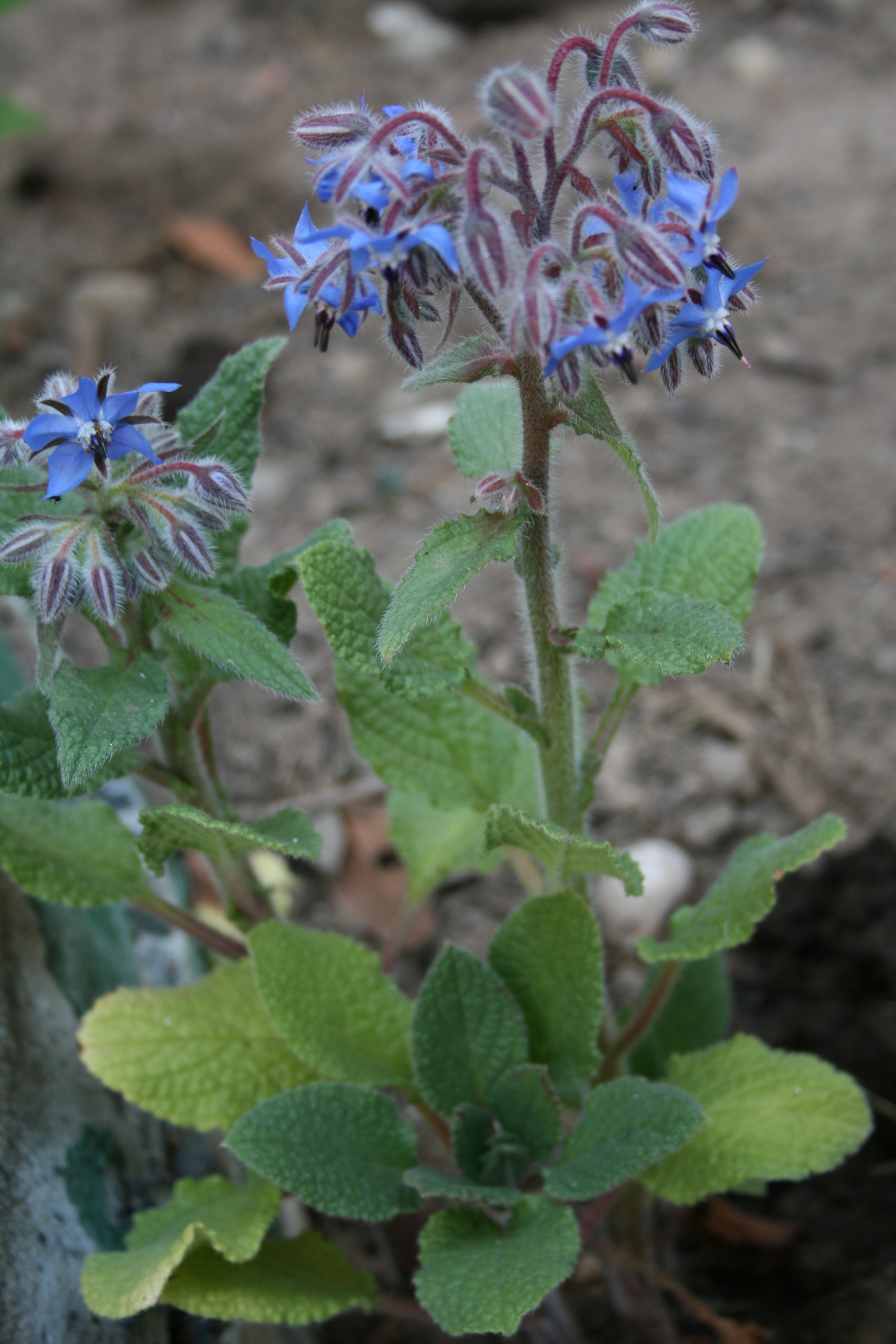 When the dandelions weren’t in bloom, I found out that she loved borage. Fortunately for me, the borage had self-sown madly around the edges of the raised garden bed closest to the wood pile. I came out one day to discover the borage had been eaten to the ground on three sides of the bed, but the vegetables and greens in the middle remained untouched. As I had plenty of borage all over the garden and it grew back rapidly, both the groundhog and I were extremely satisfied. I never lost any vegetables, herbs, or greens to her, and she got her fill at all times.
I learned a lot from that groundhog: never pass up a tasty tidbit; always stop eating when you are full; dandelions and self-sown borage are gifts from the garden gods; stop and soak up the sun whenever the opportunity presents itself; and most importantly, some days, the right thing to do is pull the covers over your head and get another forty winks.
Happy Groundhog’s Day!
* It’s actually an Anglicization of a Native American word (Algonquian) for the animal, wuchak.
** I’ve been told by a gardening friend that providing a shallow dish of water between the garden and the groundhog’s burrow will also deter vegetable predation, because the critters are chiefly looking for moisture when they raid the garden.
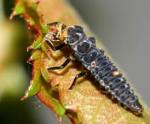 Each spring for the past five years this little drama has repeated itself, and each year I feel the same sense of anticipation and affirmation. First I discover the aphid infestation and am tempted to get the hose and blast them all off (a very effective, non-pesticidal response.) Then I counsel myself to wait: if I get rid of the aphids, the ladybugs won’t come. I decide to check back in a few days, and voila! There they are! How can something so entirely predictable feel so miraculous?

 The Daily Compost