Category Archives: Uncategorized

My, Grandmother, what lovely stockings you have!

A few years ago, I wrote about my affection for large spiders (which I call Grandmother Spiders) and how delighted I am that a number of them see fit to hang out around my house every fall. I thought that being a Neoscona haven was pretty cool, but this year I found an amazing lady outside my window who has me in seventh heaven: Araneus marmoreus, also known as a marbled orbweaver.

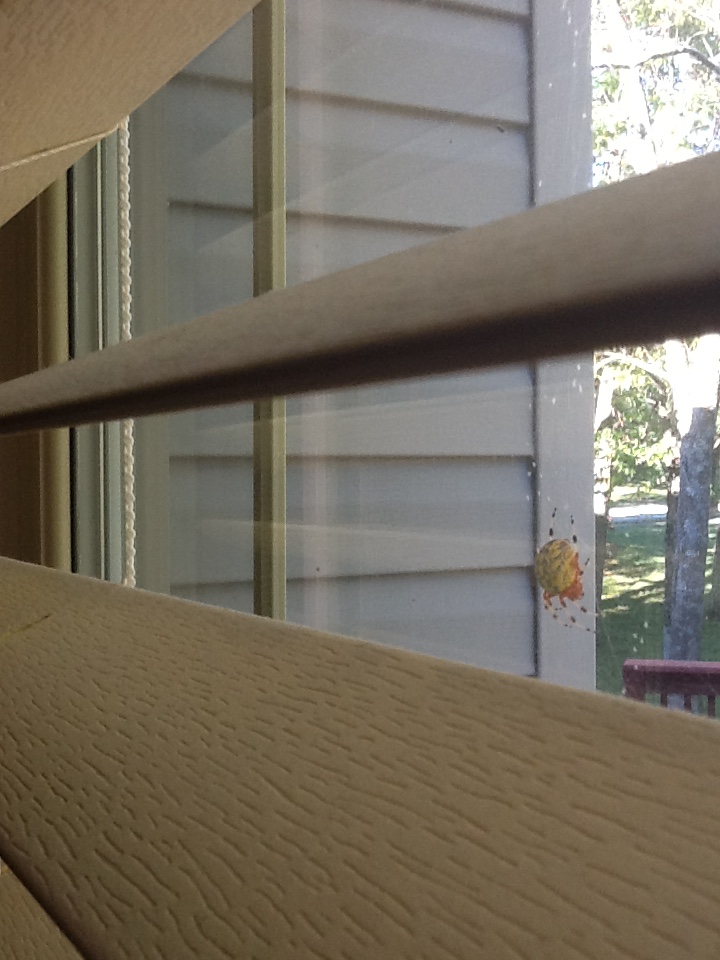
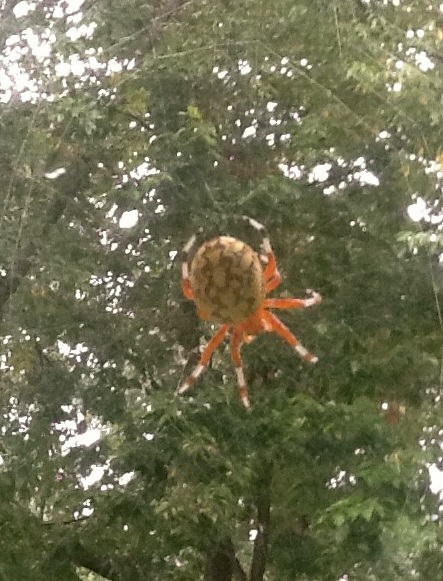
araneus croppedAs my photographic skills hardly do her justice, let me describe her: her body and upper legs are bright orange, with black and white stripes at the ends of her legs, like stockings. She has a ridiculously large, very round abdomen, cheery yellow in color with elaborate dark brown markings. Between her vivid coloring and the size and shape of her abdomen, she looks more like some artist’s caricature of a spider, made from a large marble and glass beads on wire.

spider 1Early mornings, I’ve been privileged to watch her repair her web from the night’s hunting before she retreats to a modest shelter of leaves and silk she constructed at the top of the window. Most evenings I find her hanging in the center of the web, as pictured here. (The lighting at these times of day also accounts in part for the photographic mediocrity.)

So now I can check another really cool giant spider off my life list (which I didn’t know I had until she showed up at my window. Thank you, Grandmother!)

ICAD 2015 Day 2

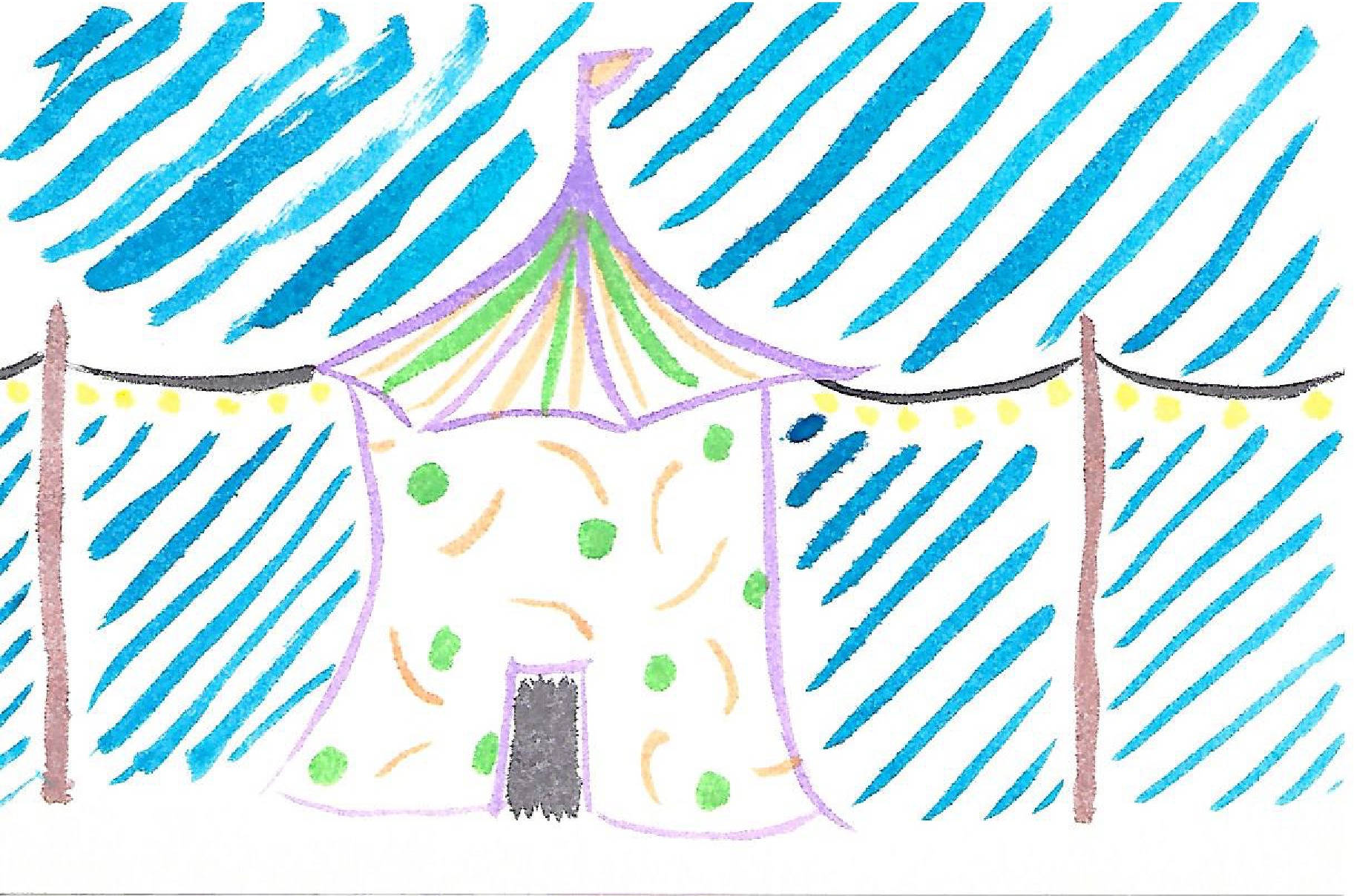
To exercise some different parts of my creative brain, I’ve decided to participate in the Index Card A Day (ICAD) challenge, sponsored by Daisy Yellow. Basically, the idea is to make visual art each day using index cards, which are small, inexpensive, and disposable. This takes a lot of pressure off – I think I ran through half a dozen this morning before I did something I liked. Today’s prompt was “carnival.”

ICAD 2015 day2

(watercolor on index card)

Prompted poetry: daggers

This poem was inspired by the title of a book I saw someone reading while at lunch today.

***

the way is paved with glass
daggers of our own desire

not so we cannot pass
but that we may not
pass without making a sound

Sprung

OLYMPUS DIGITAL CAMERA


Others may gripe
about the late spring
snow shower,  but I smile
because the flowers
are not fooled.

OLYMPUS DIGITAL CAMERA

First flowers

(This post is for my British beekeeping blogging buddy, Emily Heath, of Adventuresinbeeland. Sorry I have no cake to share! )

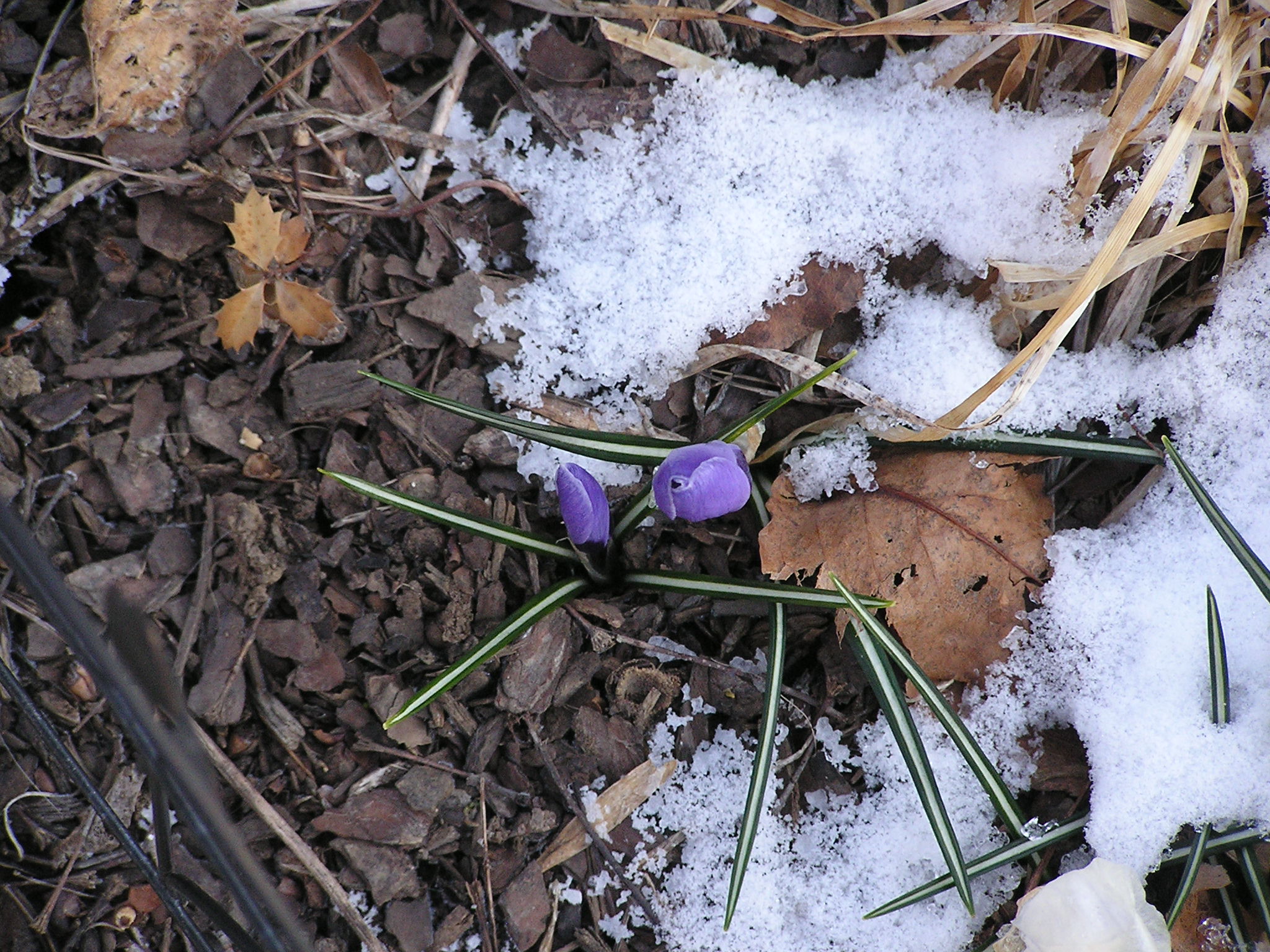
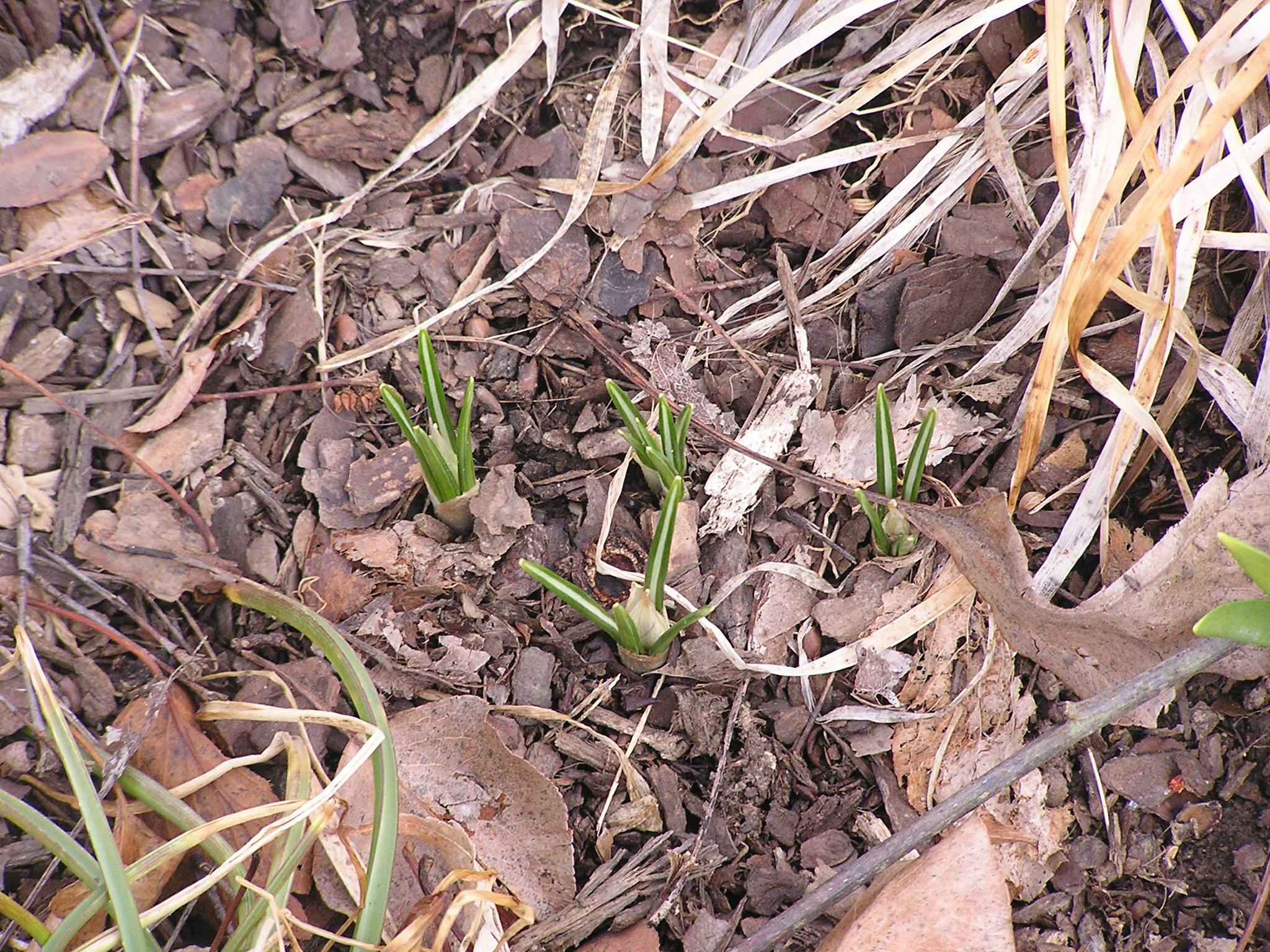
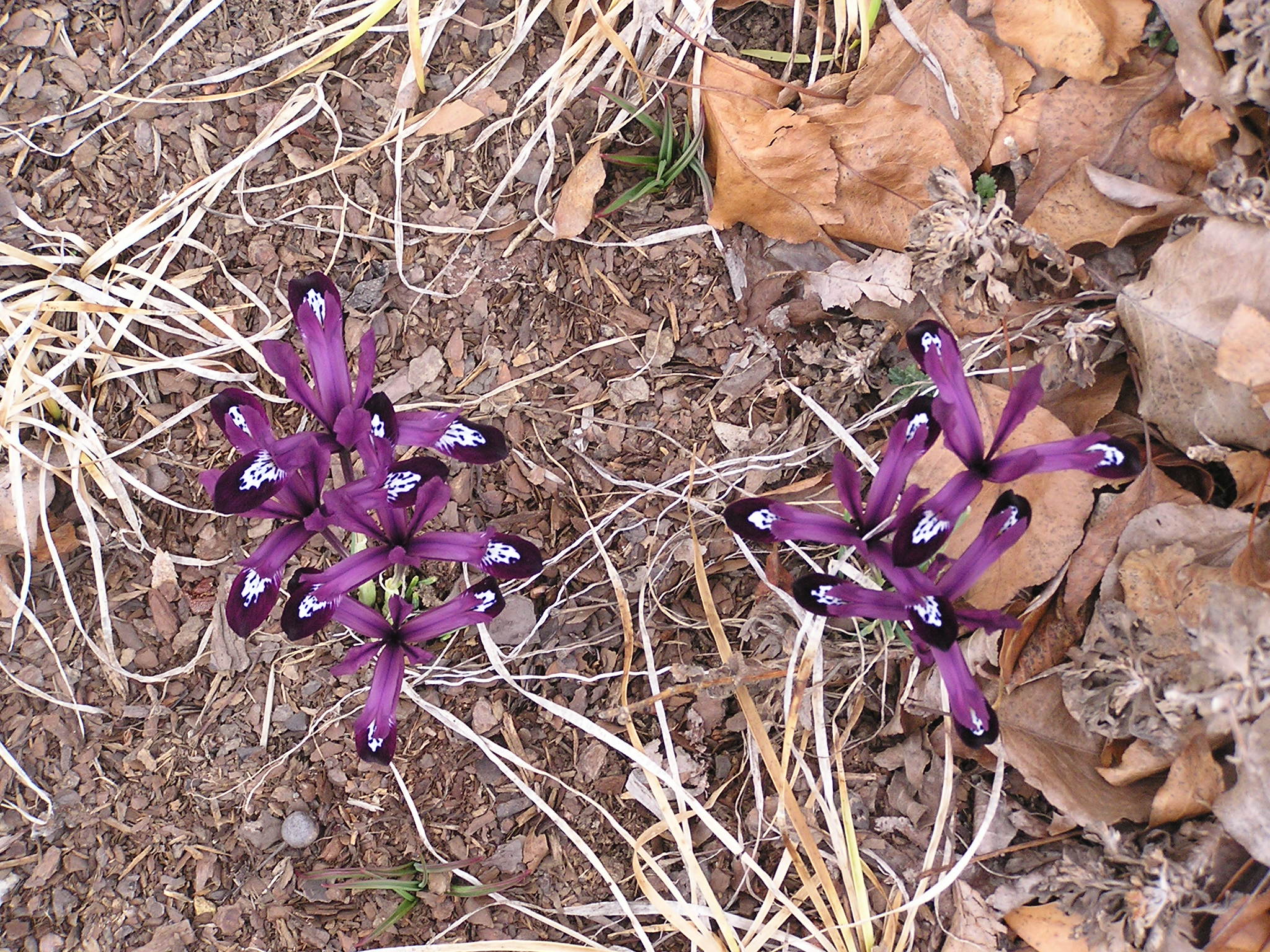
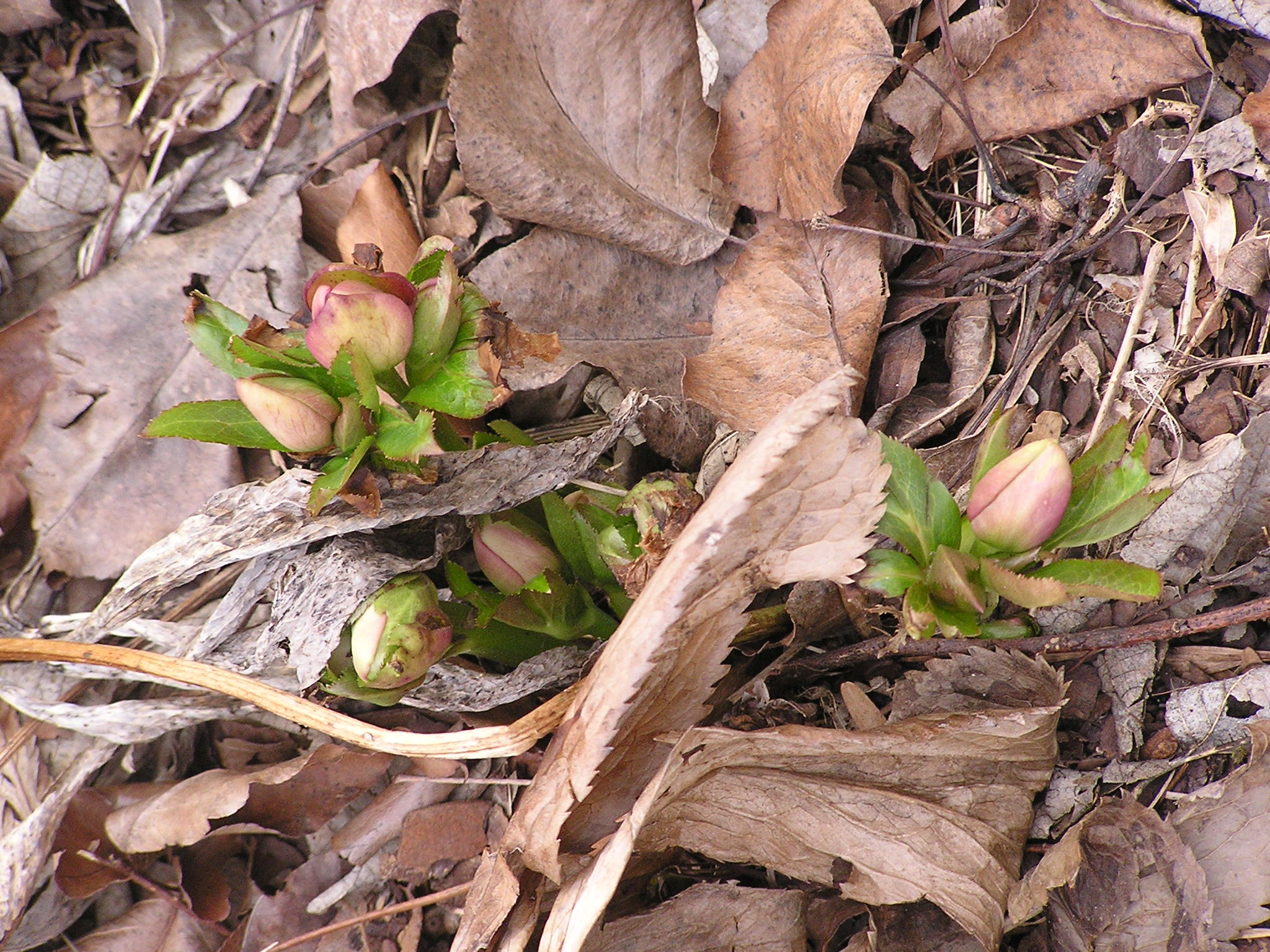
After three warm days here in the Bluegrass, the snow has mostly melted, except for those big piles in parking lots. I had forgotten that the first bulbs to bloom in my gardens are not the crocuses:

OLYMPUS DIGITAL CAMERA

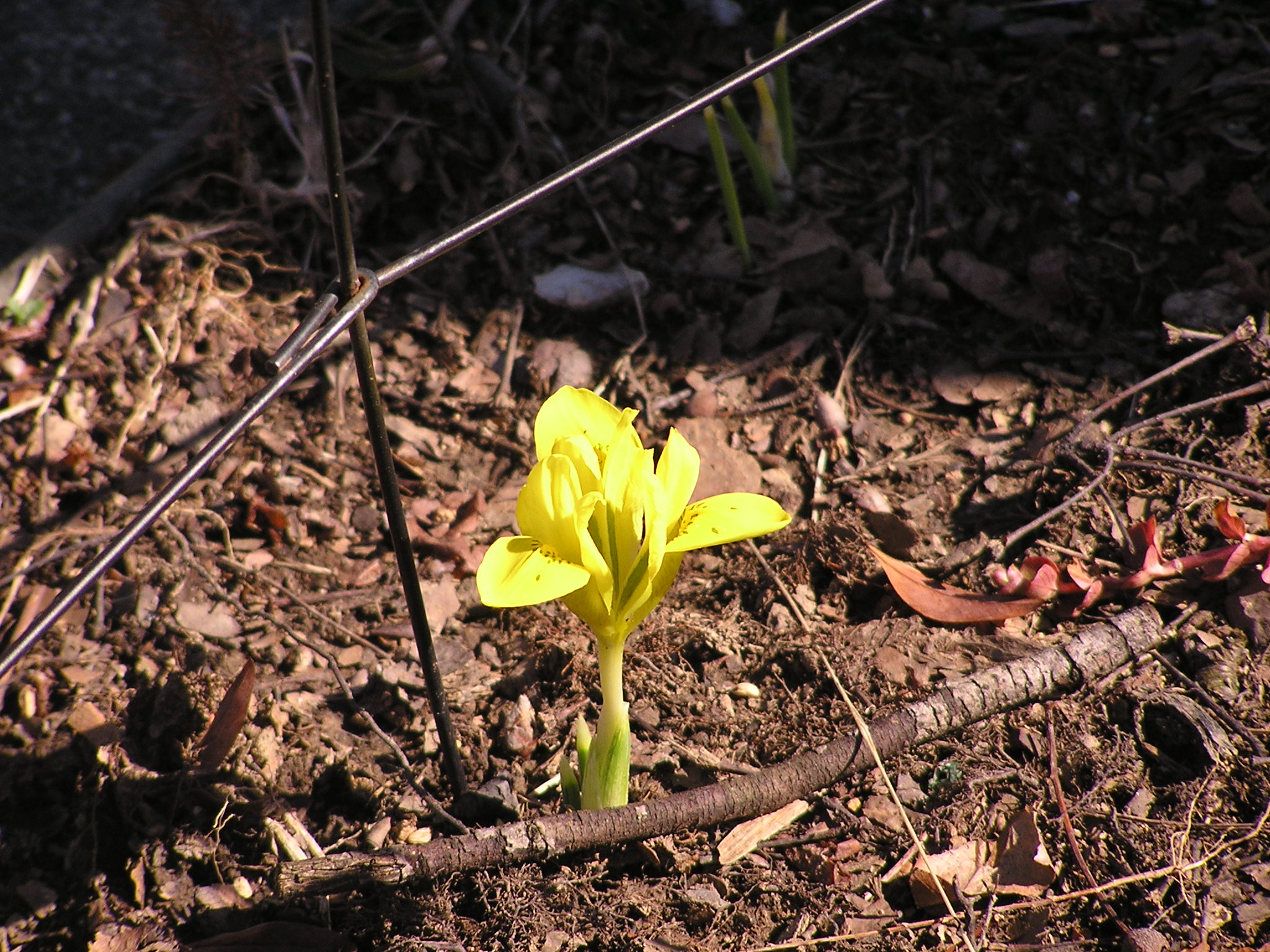
but the Iris reticula.

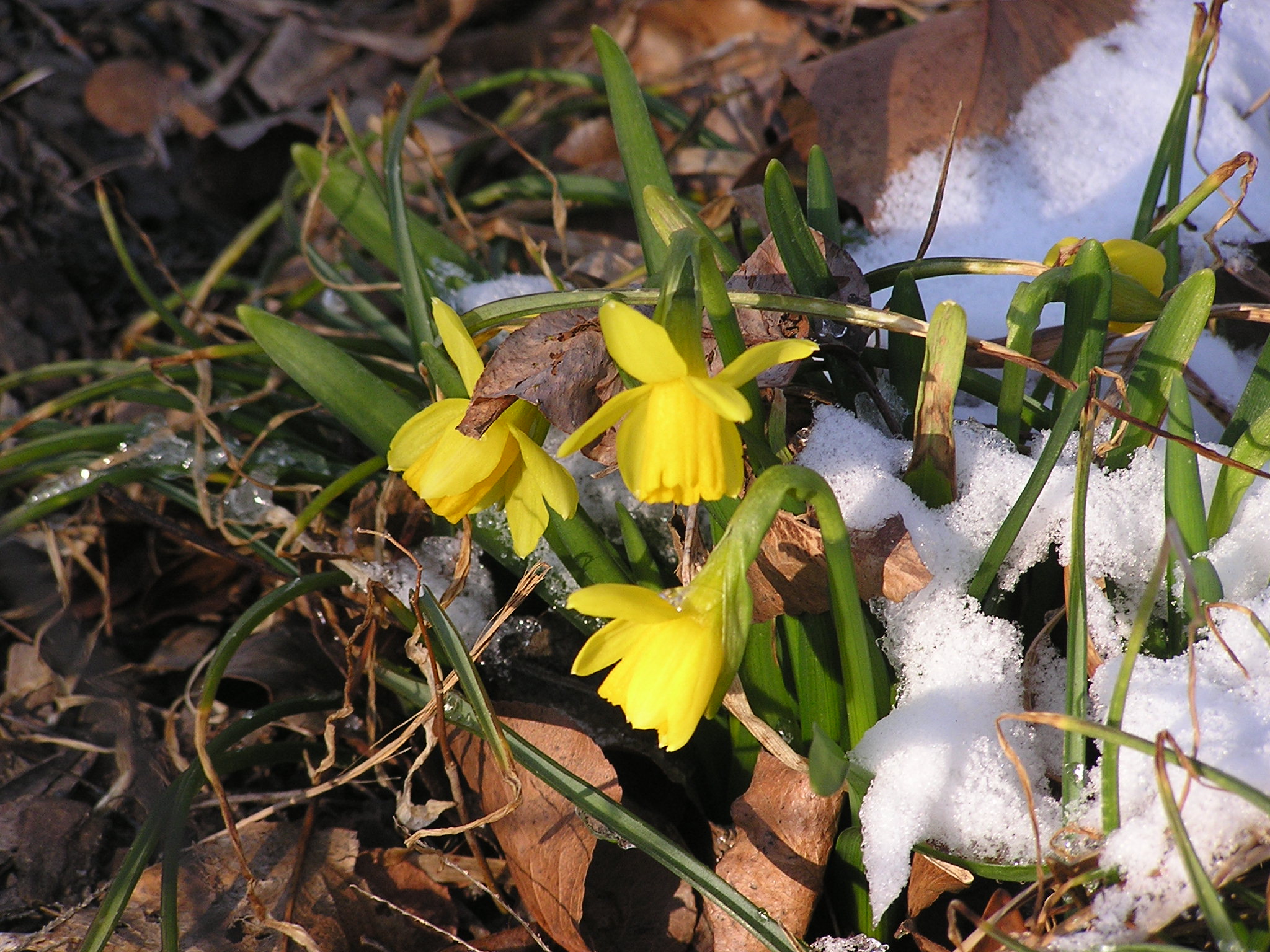
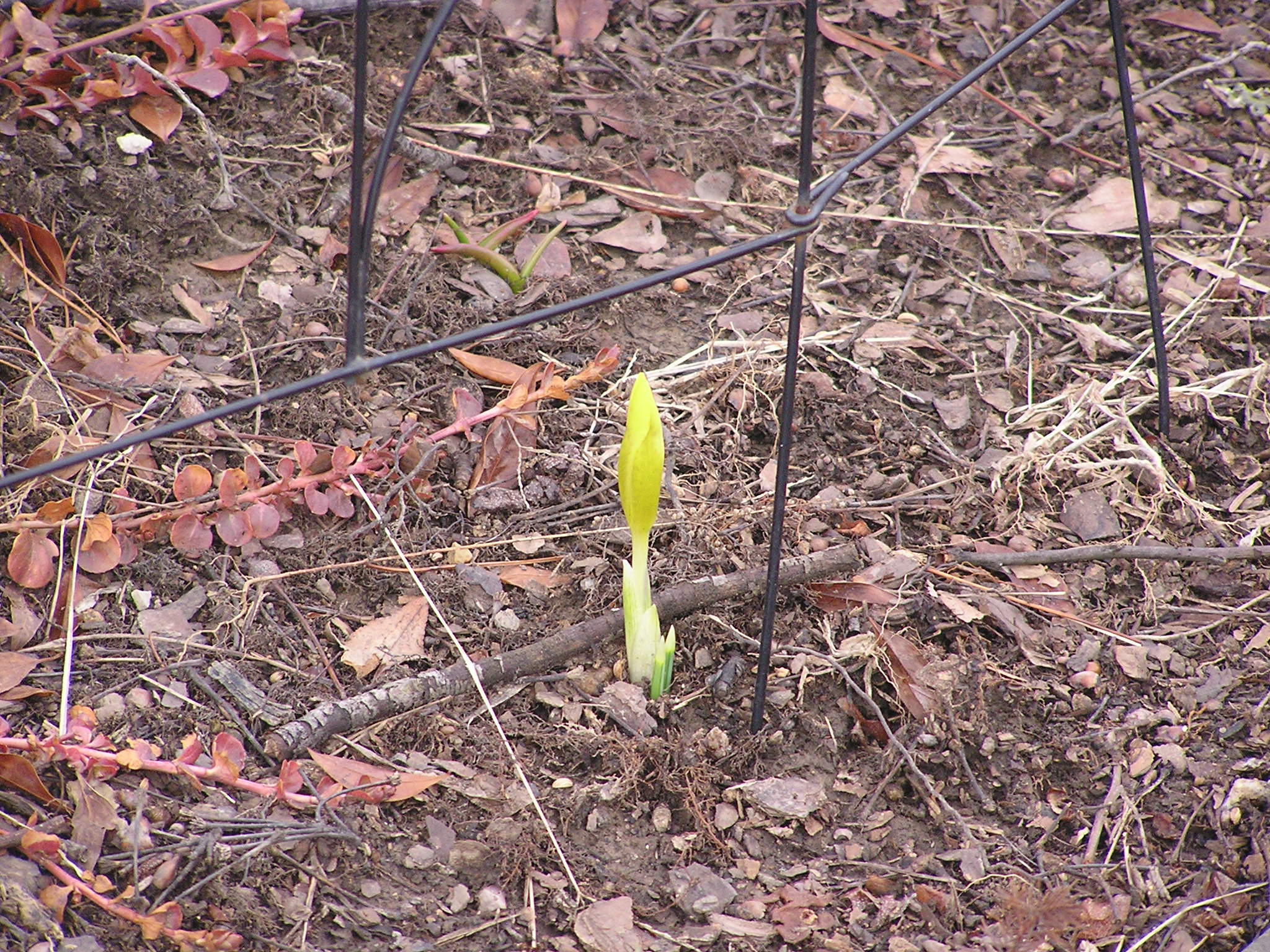
OLYMPUS DIGITAL CAMERAI don’t usually notice them until the yellow ones open, which might be today, given the forecast.

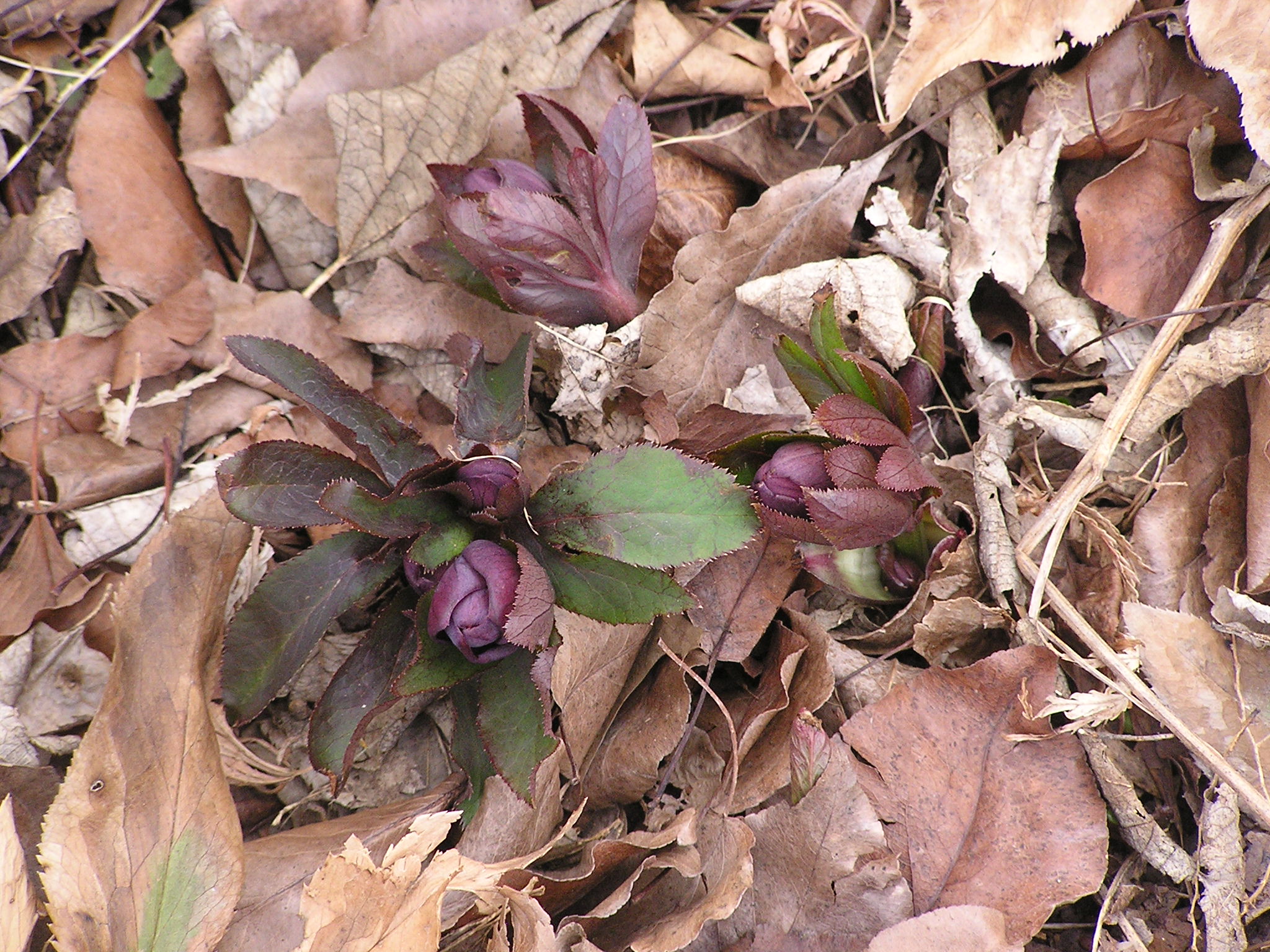
OLYMPUS DIGITAL CAMERAThey’ve even beat the hellebores to the punch!

OLYMPUS DIGITAL CAMERA

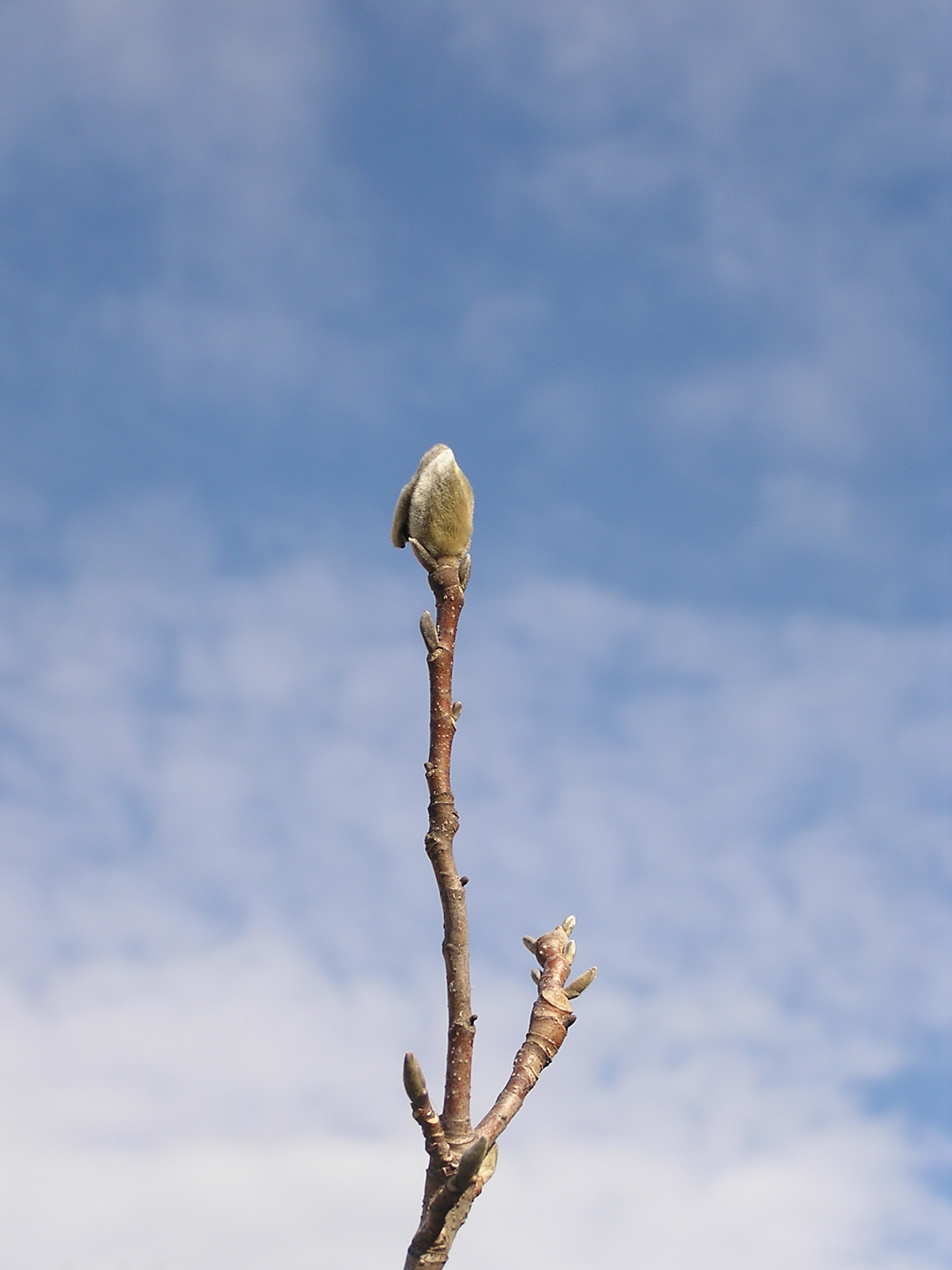
OLYMPUS DIGITAL CAMERAThough we’re supposed to have a fourth day of sun and warm (temperatures in the 70s F), tomorrow night is supposed to get down in the teens. I just hope the magnolias don’t jump the gun and get zapped when the temperatures drop.

OLYMPUS DIGITAL CAMERANo bee activity to report in my yard yet, though I have seen some flies on a window screen. Maybe I’ll take a walk in the Arboretum today and see what’s blooming and if any bees are active there.

Addendum, later that afternoon: I was right about the yellow iris!

OLYMPUS DIGITAL CAMERA

MLK Day celebration

If you thought I might have dropped off a cliff in November, you didn’t miss the mark by much. I had a major project due in early December and another in mid-January, which was truly horrible timing, what with all the folderol and family drama of the holidays. I’ve had neither time nor brain cells to devote to much else, but now that both the projects and the holidays are behind me, I hope to return in some degree to my former life. This is a photo post (even though I am a poor photographer) but I consider it a step back toward blogging and the other things I was doing two months ago.

When my children were very young, we began a tradition of celebrating Dr. King’s birthday like he was a member of the family. We would bake and decorate a cake, put candles on it, and sing “Happy Birthday” to him.

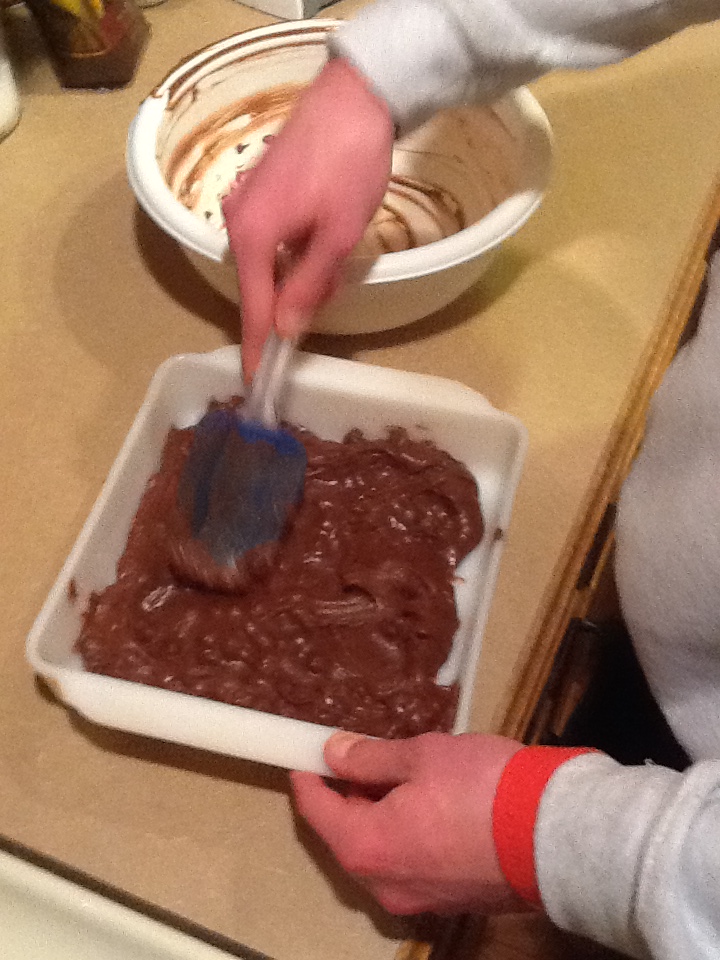
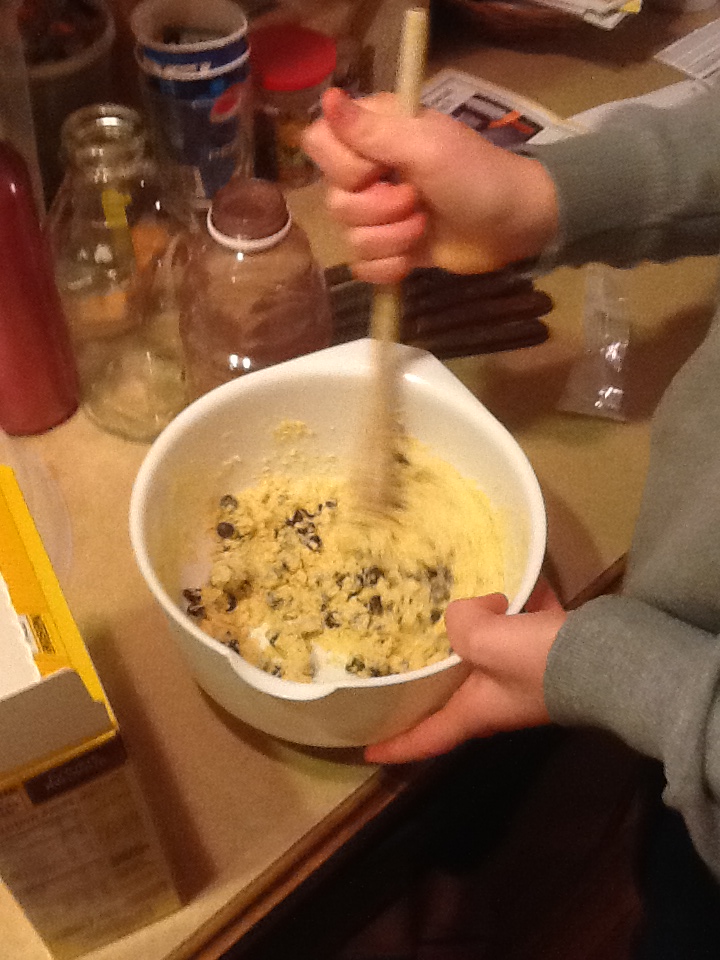
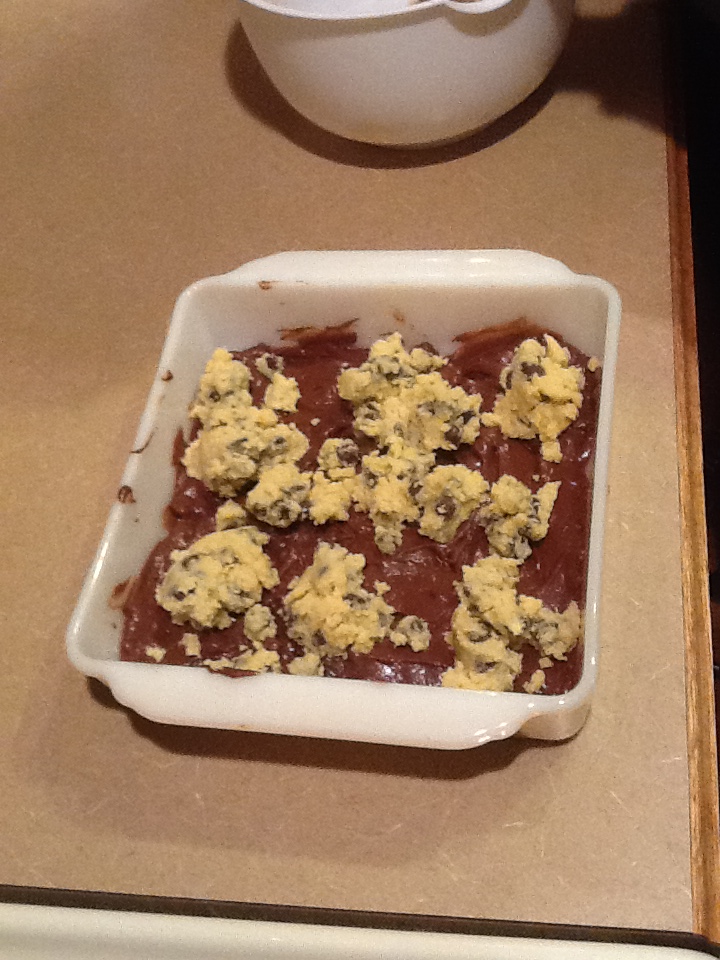
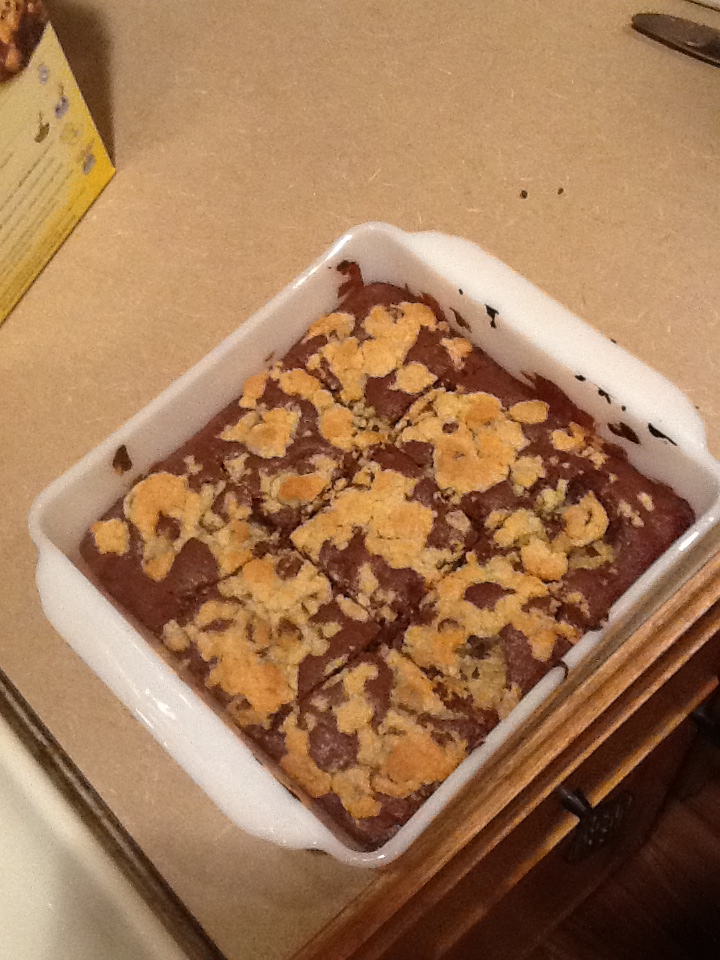
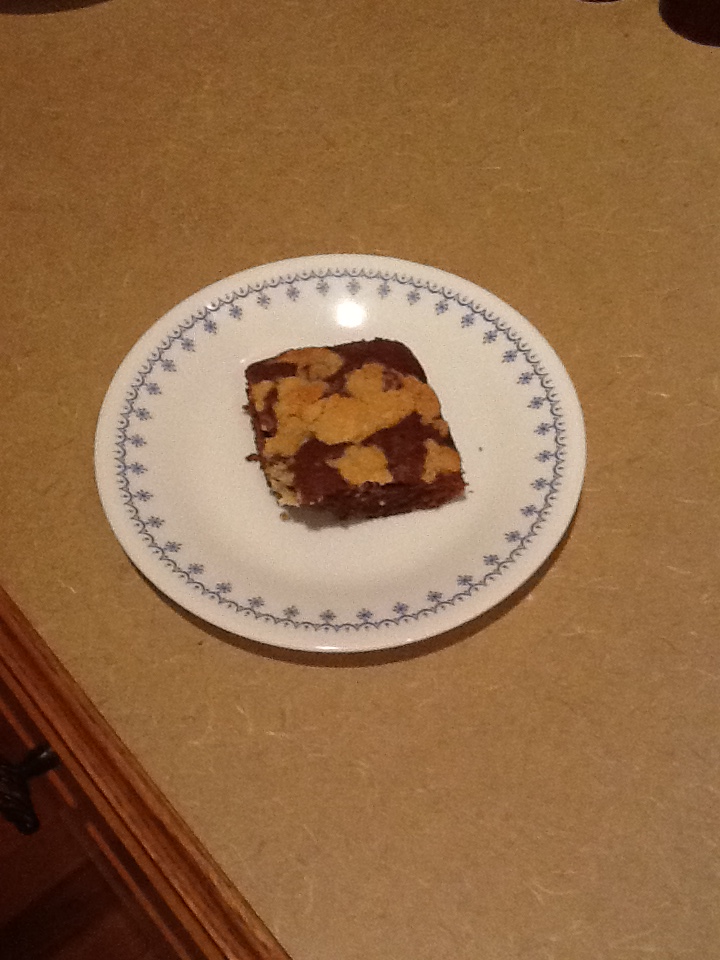
mkl2Every year we try to find a different variation of the chocolate-and-vanilla theme, and this year we decided to go with a brownie/blondie combination.

mlk3mlk1mlk4They were delicious and we had fun making them together. We’ve already started talking about what we’ll do for next year.

mlk5mkl6Happy birthday, Dr. King! And may we continue to celebrate your vision for many years to come!

Grandma Gert’s winter chili sauce

When I promised the kids we could have red beans and rice for supper one day last week, I knew I would have to make another batch of chili sauce, as I had used the last of it for sloppy joes a month or more ago. And this time I remembered to take a few photos so I could post about it! (Don’t get your hopes up about the photos, though.)

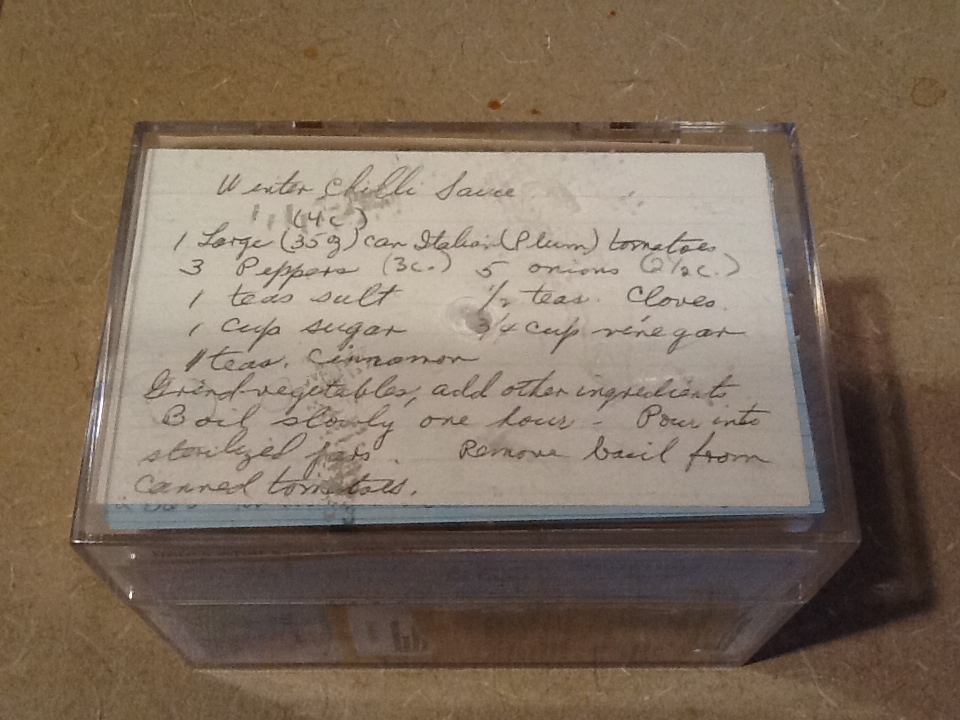
I inherited this recipe from Gertrude Sorenson, my father-in-law’s mother. My copy is written in her own hand, and occupies the place of honor in the lid of my fabulous see-through recipe box.
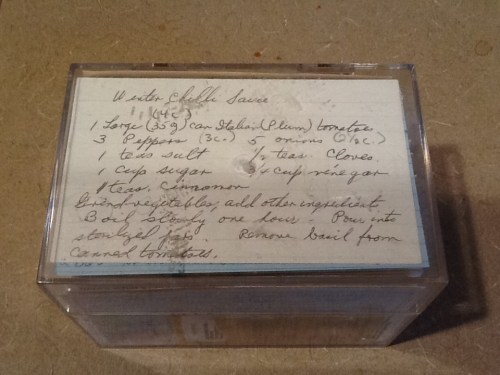
recipe

According to the notes on the back of the card, Grandma Gert got this recipe from her dear friend Marge Hintz in 1983; she copied it for me on April 7, 1993.

In keeping with my long-standing view of recipes as texts to be interpreted, I have adapted this recipe to fit the circumstances of my own life, though I did follow the recipe faithfully several times first; one must have a good grasp of the text before one can do it justice in translation. Grandma used fresh peppers and onions, for example, and a hand-cranked grinder (the kind that fastens to a counter or table top with a screw) to process the vegetables. I own one of these, thanks to the Goodwill, but usually opt for the immersible blender  as quicker and with less clean up. Next time, I’ll see if the food processor gives it a  chunkier texture, more like Grandma’s.

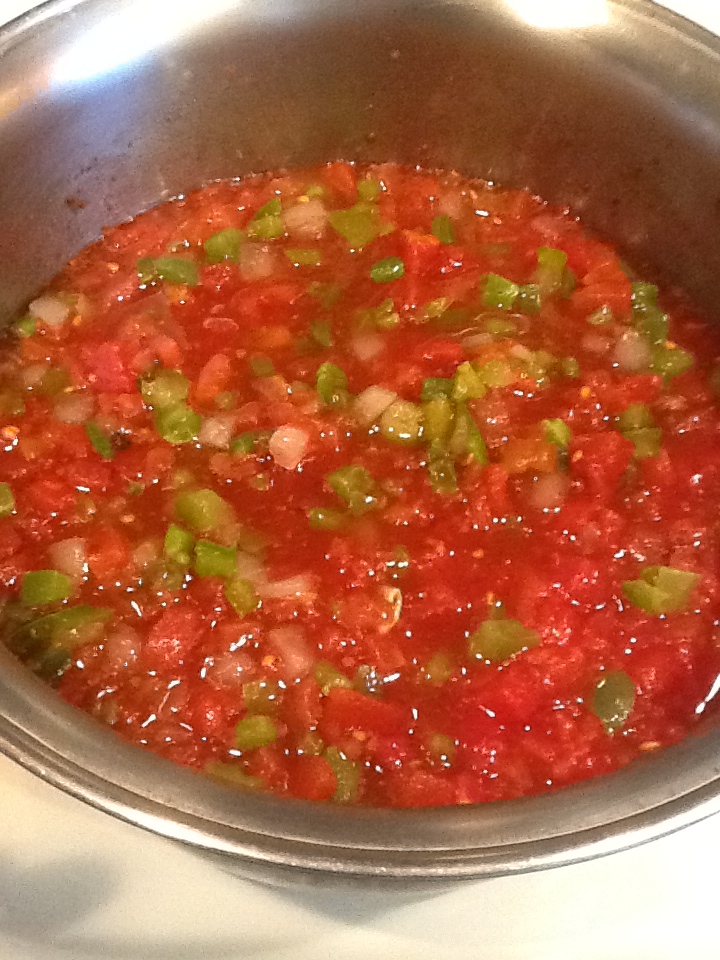
Here’s what it looked like before cooking:
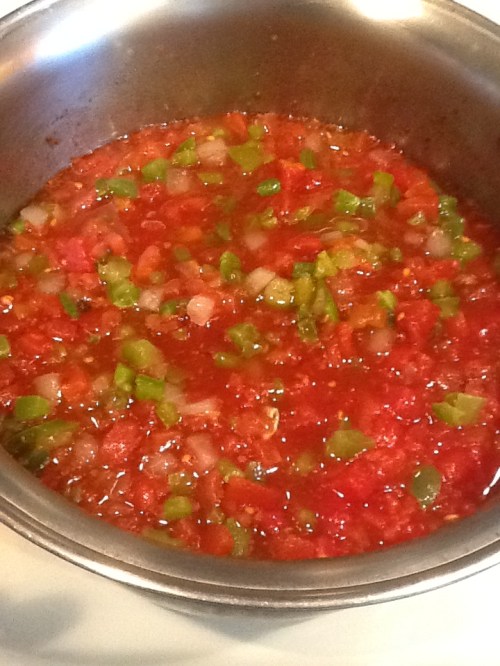
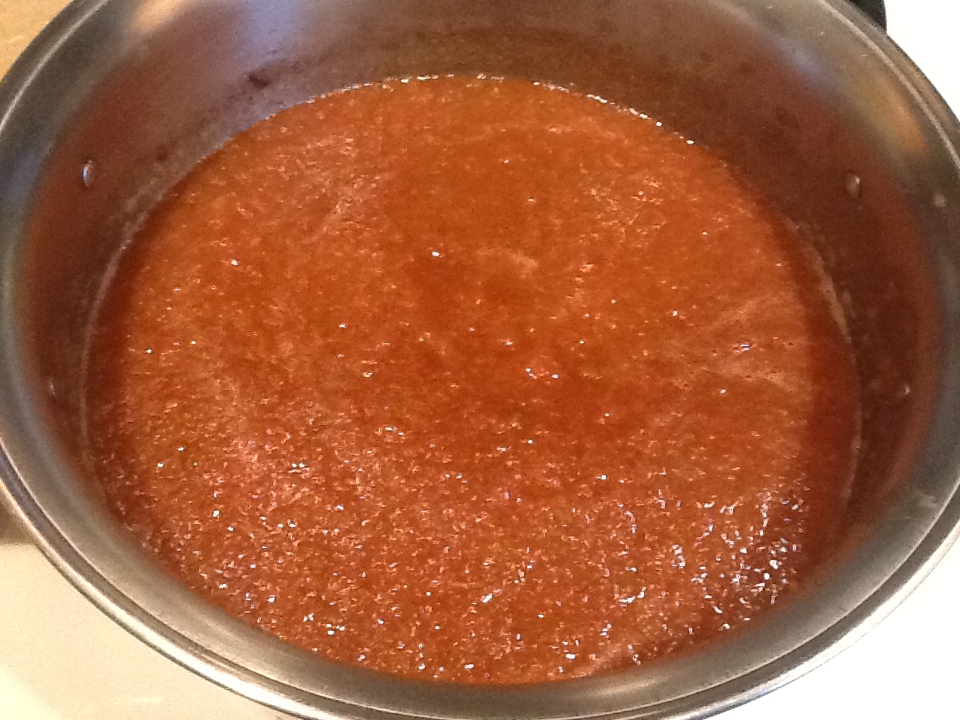
chili sauce 1That’s still a bit too chunky. Here’s what it looked like after cooking and blending (a little too pureed):
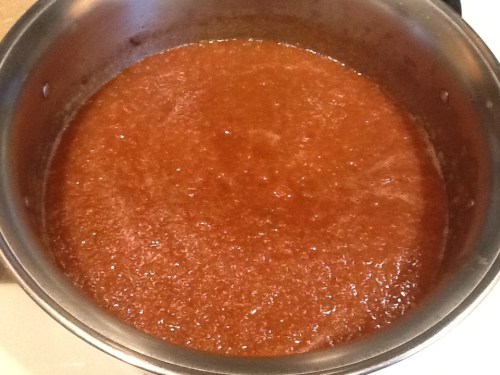
chili sauce 3

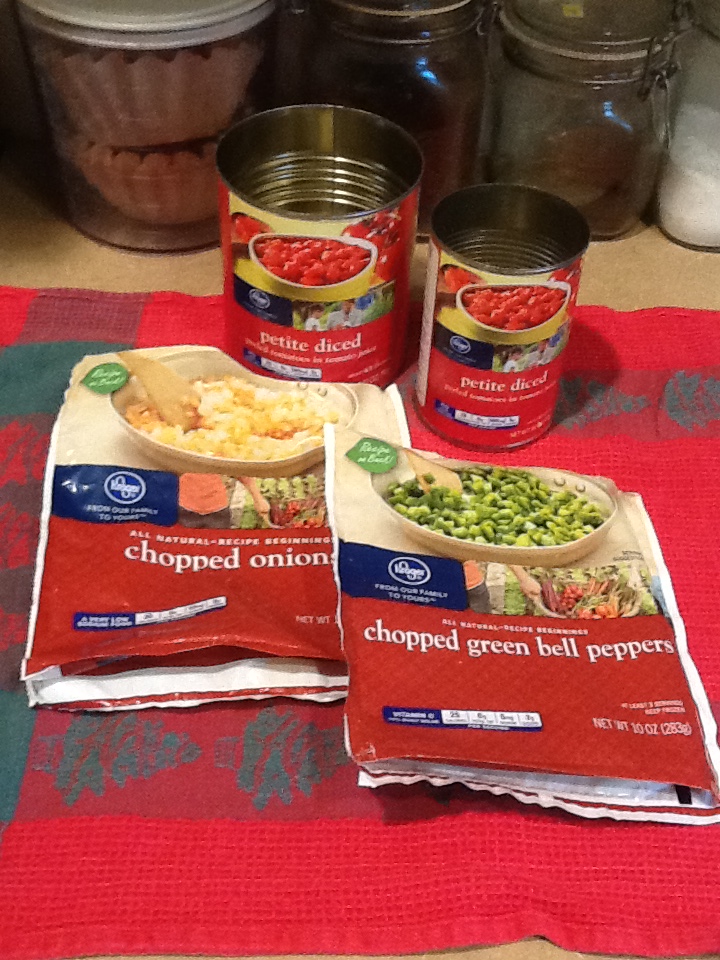
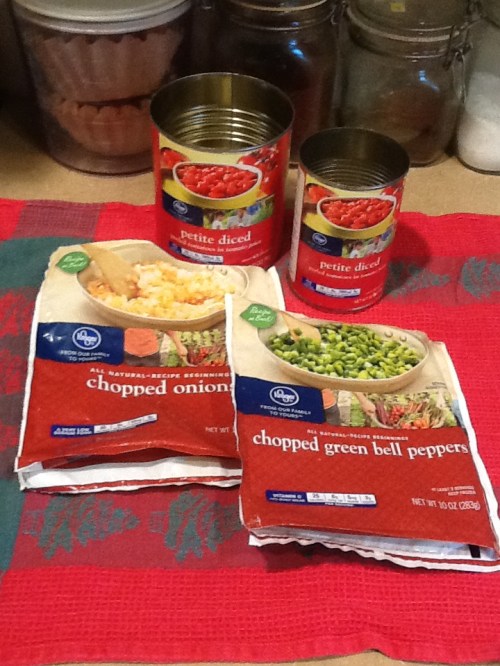
I also use less sugar (no doubt violating some essential laws of canning) and diced tomatoes instead of plum tomatoes with basil (maybe I should add a little basil to account for this). Here is my adapted recipe; Grandma Gert’s original is below.
chili sauce 421st Century Winter Chili Sauce

4 c canned petite diced tomatoes
3 c frozen chopped green pepper
2-1/2 c frozen chopped onion
1 tsp salt
1/2 tsp ground cloves
3/4 c sugar
3/4 c cider vinegar
1 tsp cinnamon

Combine ingredients in large pot. (If desired, pulse in food processor first to desired consistency.) Bring to low boil and simmer one hour. (If using immersible blender, blend to desired consistency.) Pour into sterilized jars and cover with sterilized lids, as for jam or preserves. (Follow recommended food safety regimen du jour.) Makes approx. one gallon total.
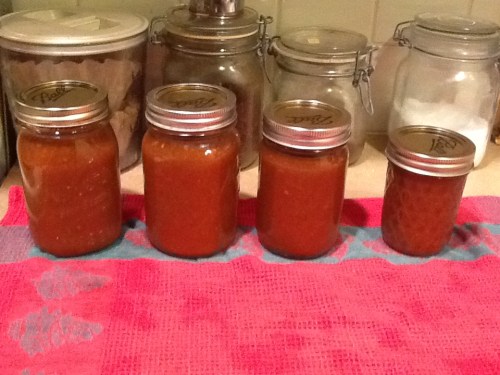
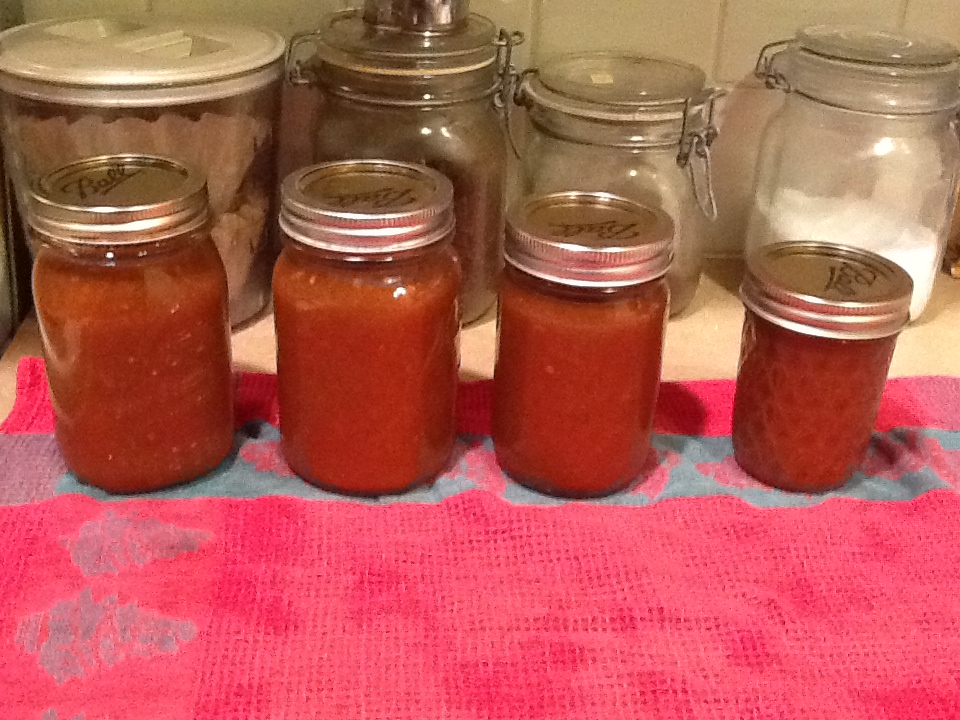
chili sauce 6

Part of this batch went directly into the red beans and rice, so I didn’t have enough for four quart jars. If I remember to take pictures next time, I’ll update this post, assuming also that the batch turns out well.

Here’s the original recipe:

Winter Chili Sauce

1 large (35 oz.) can Italian (plum) tomatoes (with basil)
3 peppers
5 onions
1 tsp salt
1/2 tsp cloves1 cup sugar
3/4 cut vinegar
1 tsp cinnamon

Remove basil from tomatoes. Grind vegetables, add other ingredients. Boil slowly one hour. Pour into sterilized jars.

Circle of life (and all that)

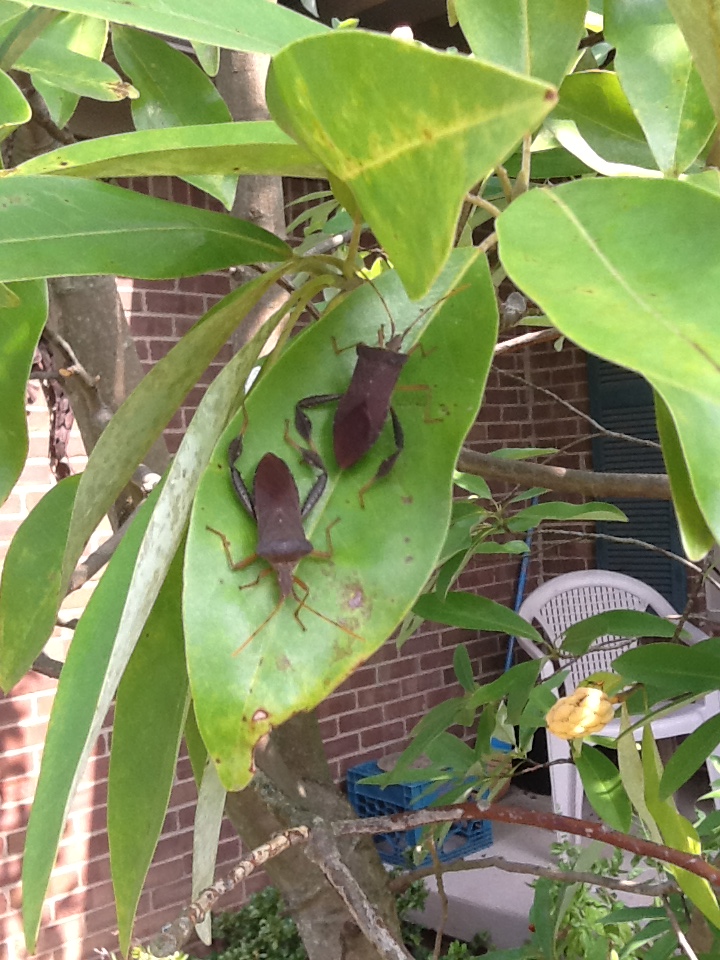
leaf-footed bugs 1

I noticed some familiar arthropods on the leaves of my swamp magnolia (Magnolia virginiana) the other day. These are Leptoglossus fulvicornis, commonly called leaf-footed bugs because of the shape of their hind legs (“foliaceous hind tibia” in entomologese). The two adults in the photo at right show the characteristic flattened shape of those rear leg segments.

They are true bugs, members of the suborder Heteroptera, along with squash bugs and stink bugs. Leptoglossus fulvicornis is also known by the species name magnoliae because it only feeds on the fruits of magnolia trees.

I first met these critters in college, where they were frequent visitors in our dorm rooms once the weather turned cold. This now makes perfect sense to me because the courtyard of the dormitory sheltered several ancient and glorious magnolia trees from the harsh winds that blew off Lake Michigan.

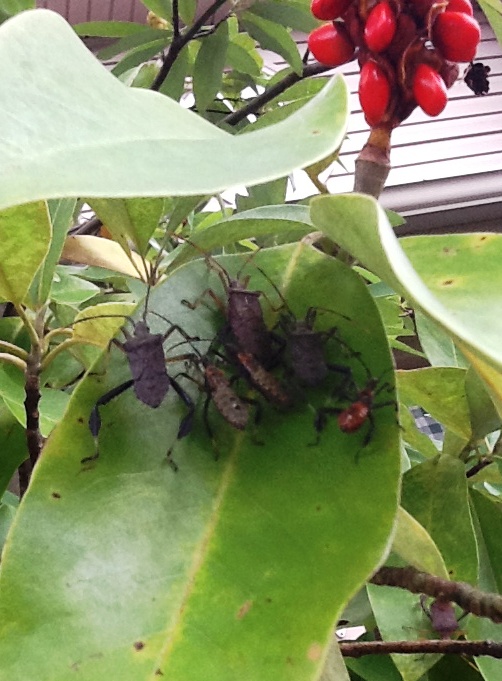
leaf-footed bugs 3Anyway, back to the present. This photo shows a cluster of nymphs of various ages — the youngest have bulbous red bodies, somewhat reminiscent of the bright red magnolia fruits they eat (also shown in the photo). Six juveniles are huddled together on the leaf in the foreground, with an adult on another leaf in the lower background. They are hiding because a female cardinal (not pictured) has figured out that this tree offers not only delicious fruit but yummy bugs. She’s been in the front yard a lot lately (I hear her out there now, in fact), and I’ve noticed much fewer leaf-footed bugs on the tree than in previous years.

Incidentally, this tree stands next to the porch where the parsley sits in its pot. It seems this cardinal also has a taste for grasshoppers (you go, girl!) and swallowtail larvae (sadly). She flew off the step when I opened the front door one day, and I found the swallowtails all gone, save for half of one she dropped when I startled her, and odd bits of grasshopper scattered about the porch.

Saddened as I am at the loss of the swallowtails, it is affirming to see the ways in which my little corner of the ecosystem reflects the resourceful adaptability of the whole. It also lets me experience myself and my yard as part of that larger system, and reminds me that most imbalances will correct themselves if I only give them time.

Mother Nature calls in the troops

Remember the over-abundance of grasshoppers I complained about in a previous post? Well, help is on the way!

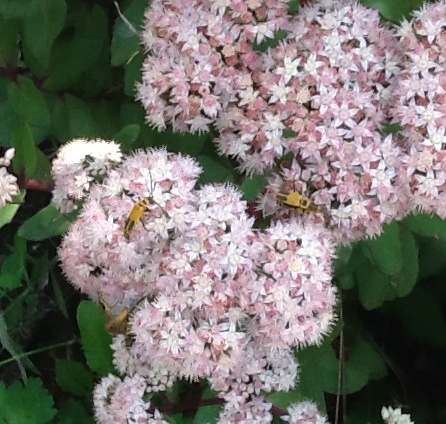
goldenrod soldier beetle croppedSee those yellow beetles with black spots? They’re goldenrod soldier beetles (Chauliognathus pensylvanicus) also known as Pennsylvania leather-wings. The adults feed on nectar and pollen (hence their interest in the Sedum matrona) but the larvae feed on aphids (hurray!) and — get this — grasshopper eggs! Is it any wonder that a large number of them have chosen to hang out in my front yard? I saw quite a few mating pairs on the sedum, but decided to photograph the singles because it’s easier to see them.

So it looks as though my “plague of locusts” may not be quite so bad next year. Platoons of goldenrod soldier beetle larvae will be on patrol.


Another reason to grow parsley

…or dill or fennel: swallowtail butterflies!

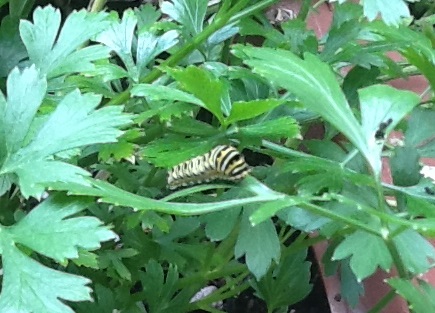
swallowtailcroppedA couple weeks ago, I noticed some swallowtails  winging around the front porch area where I have herbs growing in pots.

“I hope you guys are laying eggs on that parsley,” I told them. It seems that they listened. Last week, I noticed some tiny, black, fuzzy-looking caterpillars, each with a yellow band around its middle, on the parsley. I crossed my fingers and hoped they were what I thought they were. Yesterday, I saw the one above, finally grown into the familiar black-and-green-striped critter with yellow spots.

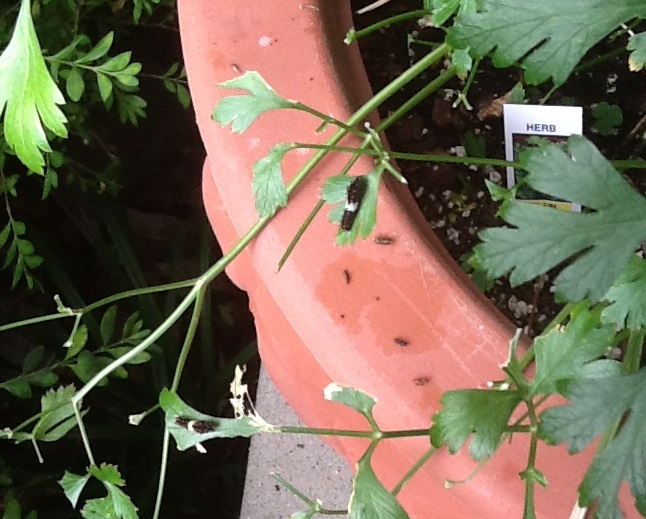
swallowtailcropped2The second photo shows two younger larvae. The larger of those is less than half the size of the larva featured in the first photo.

Most of the damage to the parsley visible in these pictures was actually the work of grasshoppers, a large number of whom have taken up residence in the front yard. I chased about five off the parsley yesterday before I thought to get my camera. (The droppings on the edge of the pot are theirs.)

Although I would happily forgo fresh parsley for the butterflies, the swallowtail larvae don’t seem to eat that much. I’ve never had a problem sharing with them. The grasshoppers, on the other hand, are not such courteous guests, though I’ve not seen them on the parsley before. I may have to explore ways to discourage them, but I will make certain it is not at the expense of the swallowtails.