 It was a busy day, but I found some inspiration between some movie trailers and watching Netflix.
snow falling on stump
in the clearing stands a doe
I feel no more cold

It was a busy day, but I found some inspiration between some movie trailers and watching Netflix.
snow falling on stump
in the clearing stands a doe
I feel no more cold
I couldn’t settle on a good title for this one. If you have any suggestions, please leave them in the comments. Thank you!
Lady Night sips moonlight
from a cupped hand, spilling
stars all over her
fine velvet
cloak
The inspiration for today’s poem was a phrase from one of those reviews on the back of a book of poetry.
Lumenal
the radiant light of artifice
burns unseen parts
rearranges ordered sequence
gives rise to possibilities
strange and terrible
the artificial light of radiation
This exercise I’m calling linear derangement, in which I reverse line order rather than word order. The source is “A Procession at Candlemas,” by Amy Clampitt. (You can view the source poem at https://www.sas.upenn.edu/~cavitch/pdf-library/Clampitt_ProcessionAtCandlemas.pdf.)
Asleep
In the rest-in-peace of the placental coracle,
not merely of the ego, you rediscover, almost,
sometimes wrapped like a papoose into a grief
beyond the torn integument of childbirth,
a stillness at the heart of so much whirling:
amok among the magnolias’ pregnant wands,
remorseless corpuscles, street gangs
in falling snow, a whirl of tenderness
for one straggling up Pennsylvania Avenue.
Intoning, a drum becomes the metronome:
the monk in sheepskin over tucked-up saffron
can assign a trade-in value to that sorrow
like caribou, perhaps camped here. Whose
names they went by, stumbling past
in losing everything they had, is lost even
in transhumance, once a people
of Indian Meadows. The westward-trekking
nowhere oasis wears the place name
absently, without inhabitants, this
the pristine seductiveness of money
niched into the washroom wall case.
Lip rouge, mirrors, and emollients embody
perfect, like miracles. Comb, nail clippers
in parcel gilt, plop from their housing
gumball globes, life savers cincture
cream-capped in the cafeteria showcase.
What’s fabricated? The jellies glitter
beside them, drinking what is real except
fuel pumps, the bison hulk slantwise
of freezing dark, through a Stonehenge
or clamber down, numb-footed, half in a drowse
about the self’s imponderable substance.
The sleepers groan, stir, wrap themselves
something precious, ripped: Where are we
within layers, at the core a dream of
lapped, wheelborne integument, each layer
necessary and intractable as dreaming,
fragile as ego, frightening as parturition?
Posted in Poetry
Tagged 30 in 30, Amy Clampitt, derangement, poetry exercises, poetry practice, writing challenge
Now that the world has ended, I’m rather disappointed to find that dirty dishes and loose pet hair remain.
A poem for the day after
I’m no expert
but the end of the world
seems to have gone
well enough,
better than I expected
at any rate, and without
really causing anyone great
inconvenience.
Just in case the world actually does end today, I wanted to be completely caught up with poetry and posting.
A poem for the end of the world
today is the last day ever, so yesterday
I got my hair cut and went
to a baseball game with my honey
and watched fireworks
this morning I called my mother then
saw my collegian son, ate an extra
piece of chocolate, and had a beer
with lunch
there are dishes in the sink, dust
bunnies in the corners, and clothes
in the dryer, but the world is ending
so I will finish that afghan
My sweetie surprised me yesterday afternoon with tickets to the Reds game, so my schedule got thrown off a bit. Here is yesterday’s poem.
Dangerous secrets of the nuclear family
little brother has been playing with a chemistry
set father left in the shed, testing
the patience of everyone
crazy uncle says he will be sorry, has threatened
to destroy him if he doesn’t stop
experimenting
we are all worried about possible explosion
or that the whole back yard
could go up in flames
This is a very straight-forward derangement (if such a thing is possible) of Amy Clampitt’s “The Edge of the Hurricane.” The source poem seems particularly apt given this year’s Atlantic hurricane season. (You can view the source poem here.)
Hurricane of the edge
Mangle and wring, drench — trample also —
can levity again yet notice? Serving
laundry as white-bleached moon, single; up hangs
nightfall, away. Packed wardrobe, cloud-bright, ends day: the debris of fouettés,
twirling in, upstands gales. Sibling fading and brightening, shade leaf lacewing
flying, footprints’ liquid fripperies — vaporous gusts point young
by crossed clearness of windowpanes. Mediterranean overhead opens
to begin transparencies, rinsed all afternoon by passing. Keep cumulus
Caribbean flounces of dark mud pieces, torn rain of tambourines, and lariats
with winds careening the wheeling.
Posted in Poetry
Tagged 30 in 30, Amy Clampitt, derangement, poetry exercises, poetry practice, writing challenge
Here is a somewhat tongue-in-cheek trace poem of D.H. Lawrence’s “Moon Memory.” (You can read the original here.)
Fog Forgetfulness
When the fog rises in a student’s mind
grey and clammy, as in the green shadow of a copse
pooling together, and sticking to his skull –
then the tranquil, ordered thought-world
exists no more, nor ever truly existed;
but instead
this thick grey dullness
oozes, and drips seeping, drifting sideways, muggily against his skull,
on his thoughts that are verdant forest within him.
And through the sticking of the grey sponge of the fog
furry creatures enveloped plunge inward and grow dim
in muddy gloom of torpor, leaf-enveloped torpor
in the sleepy, sludge-ridden blockage of ordered thought
that has left the woods in pea soup, even in daylight.
Posted in Poetry
Tagged 30 in 30, D.H. Lawrence, poetry exercises, poetry practice, trace poetry, writing challenge
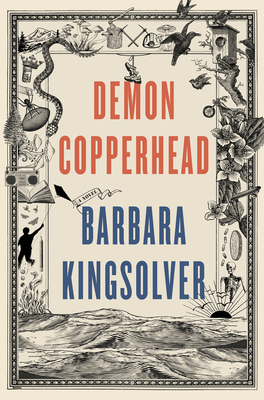
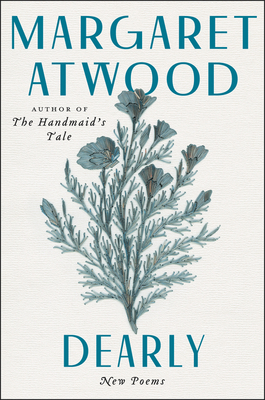
I’ve been reading a lot of poetry lately. I’ve noticed that the reviews on the covers, written I suppose by other poets, are often quite poetic themselves.
Found in review
Like the life of the poet, the life of the world
is saturated with pain and ache
not yet finished, not yet answered, not yet resolved.
The poet sends her words into a different
kind of darkness with steady exactness,
their arc of perception over and over striking true.
The poet opens up thrilling new worlds
by fearlessly inhabiting
poems of sorrow, survival, and identity.
The poet creates a haunting, echoing
distance, a sound
from some unidentifiable place.
The poet brightens the shadowy
corners of her world
with verbal pyrotechnics.
All the pores of her poetry
are open, exuding
her entire flesh and spirit.
Over and over, at each wild
leap or transformation, flames
shoot up the reader’s spine.
Each poem is a riddle; the answers may sometimes
elude us, but we continue to read, hoping
that we may stumble upon answers.

 The Daily Compost